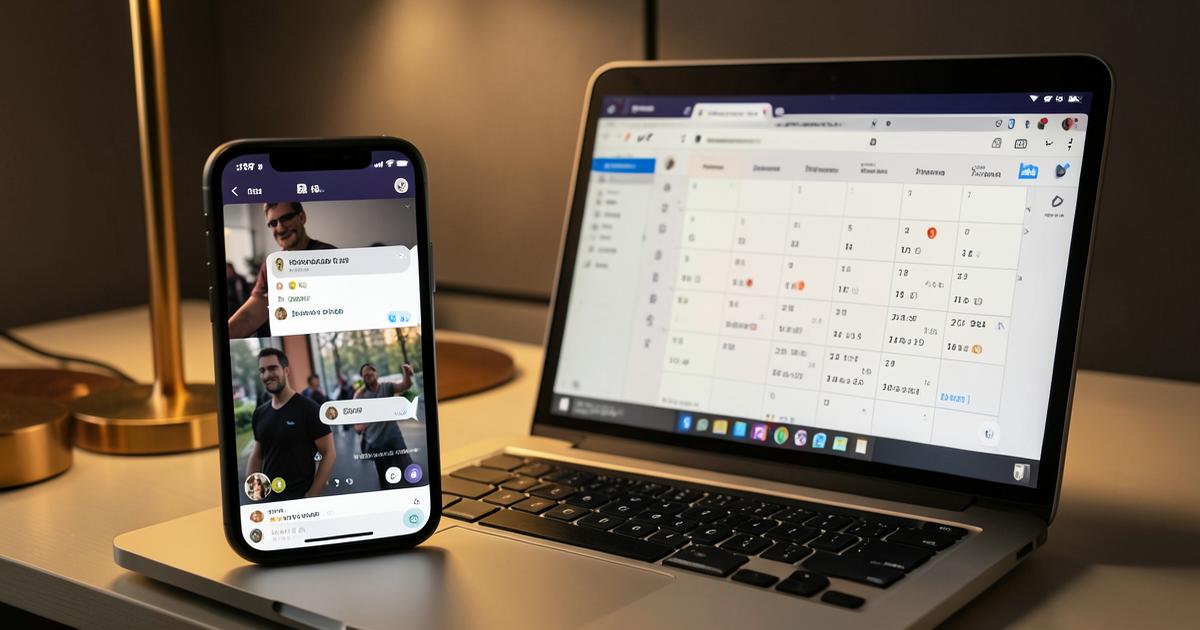
A calendar with open time slots is not always a bookable calendar. When your schedule includes several team members, locations, service types, appointment lengths, and approval rules, customers can get stuck fast. We help turn those moving parts into a clearer booking experience, so qualified prospects can move from a question to a confirmed visit without unnecessary back-and-forth.
Missed calls, slow replies, and confusing scheduling pages often send interested people elsewhere. During late summer and the back-to-school rush, that friction can become even more costly when demand rises and your team is already busy. An appointment booking chatbot can answer questions right away, guide visitors to the right service, and work within the real rules of your calendar, while keeping people involved when a request needs human attention.
How Appointment Booking Chatbots Handle Complex Calendars
A calendar becomes complicated when “first available” is not the right answer. Maybe one staff member handles new customers while another works only with returning clients. Perhaps certain services need more time, some locations have different hours, or appointments require preparation before and after the visit.
Common scheduling factors include:
- Different staff specialties or qualifications
- Multiple locations and rotating schedules
- Service-specific appointment lengths and buffer time
- Blackout dates, travel time, and approval-only services
- New versus existing customer requirements
A simple booking link may show an open hour that does not actually fit the customer’s needs. An appointment booking chatbot asks a few useful questions first, such as what service someone needs, which location they prefer, whether they are a new customer, and whether they have a staff preference. From there, it can show only the options that make sense.
For this to work well, we connect the chatbot with the calendar, CRM, and scheduling tools that already support your operations. That connection lets the system reference current availability instead of relying on a static list of times. It also helps reduce double bookings, keeps records cleaner, and gives your team less manual calendar work.
Map Scheduling Rules Before Launching Automation
Before automation starts, we recommend putting your scheduling rules into plain language. The chatbot cannot make a good decision if the business rules are unclear, outdated, or locked inside one person’s head. Clear rules give the AI a reliable path to follow and help your staff know what happens when an unusual request appears.
Start by defining the details behind each appointment type. That includes how long it takes, how much notice is needed, what information must be collected, and who can handle it. You may also need rules for cancellations, rescheduling, service areas, provider assignments, and location-based availability.
Calendar protections matter just as much as customer convenience. A booking system should protect the time your team needs to do good work. Depending on your operation, that may mean setting rules for:
- Buffer time between visits
- Daily appointment limits
- Staff time off and blocked availability
- Time zone differences for remote scheduling
- Services that need staff approval before booking
Not every conversation should end with an automatic booking. Urgent requests, high-value opportunities, unusual service needs, and calendar conflicts may need a person to step in. We build human handoff points into the flow so the chatbot does not force a bad fit just to fill a time slot.
Create Better Experiences at Every Booking Step
The best chatbot conversations feel helpful, not like a long form disguised as a chat window. Instead of making visitors search through pages of services and time slots, the chatbot can guide them through a short set of relevant choices. A clear question followed by a clear answer is usually all it takes to keep the conversation moving.
People also have questions before they are ready to book. They may want to know about service details, office hours, general price ranges, required documents, location availability, or whether you serve their area. Answering those questions early helps set expectations and can prevent the wrong appointments from reaching your calendar.
Once a visit is booked, the follow-up matters. Automated confirmation and reminder messages help customers remember what they chose and what they need to do next. An organized process can include email or SMS messages with a calendar invitation, preparation instructions, a rescheduling link, and a reminder before the appointment.
That support is especially helpful before the fall rush. When schedules fill up, every missed appointment creates more work for your staff and fewer openings for other customers. Clear reminders and easy rescheduling options give people a better way to manage changes without tying up your team.
Measure the Results That Matter Most
A chatbot should do more than create conversations. It should help you understand whether those conversations are leading to qualified appointments. We focus on the points where interest turns into action, as well as the moments where people stop, hesitate, or need help.
Useful performance measures can include:
- Chatbot engagement rate
- Completed booking rate
- Lead-to-appointment conversion rate
- Average response time and abandoned conversations
- No-show rate and booked revenue by service or location
Conversation data often reveals practical issues that are easy to miss. If people keep asking the same question, the chatbot may need a better answer. If visitors leave after seeing available times, the schedule may not match what they expect. If many people ask for appointments that are unavailable, that can show where demand is building.
When chatbot reporting connects with SEO, paid media, email, SMS, and CRM data, we can look beyond website traffic. The more useful question is which marketing efforts bring in people who actually book, show up, and fit your business well. That gives your broader marketing system a clearer signal about what is working.
Prepare Your Booking System for the Fall Rush
Complex scheduling does not have to feel confusing for customers or exhausting for staff. Before seasonal demand increases, it helps to review your appointment types, staff availability, booking protections, system connections, and follow-up messages. Small gaps in those areas can create a lot of friction once calendars start filling.
A well-planned appointment booking chatbot keeps the customer experience simple while respecting the real rules behind your schedule. When the system knows when to book, when to ask another question, and when to bring in a person, it can help protect staff time and make every available appointment easier to fill.
Make Complex Scheduling Easier to Manage
At Digital Ingenuity, we help businesses design an appointment booking chatbot that fits their scheduling needs and customer workflows. Our team can help identify the questions, rules, and handoff points that matter most for your calendar. Ready to discuss your goals? Contact us to get started.