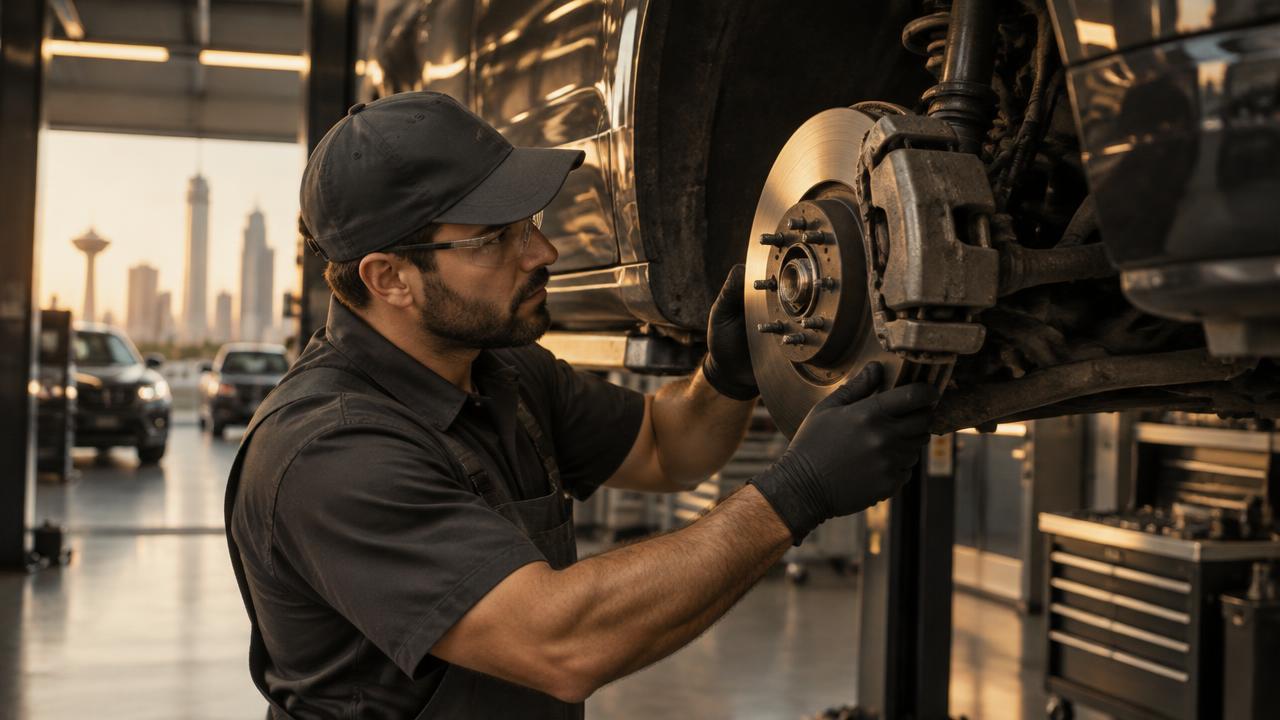
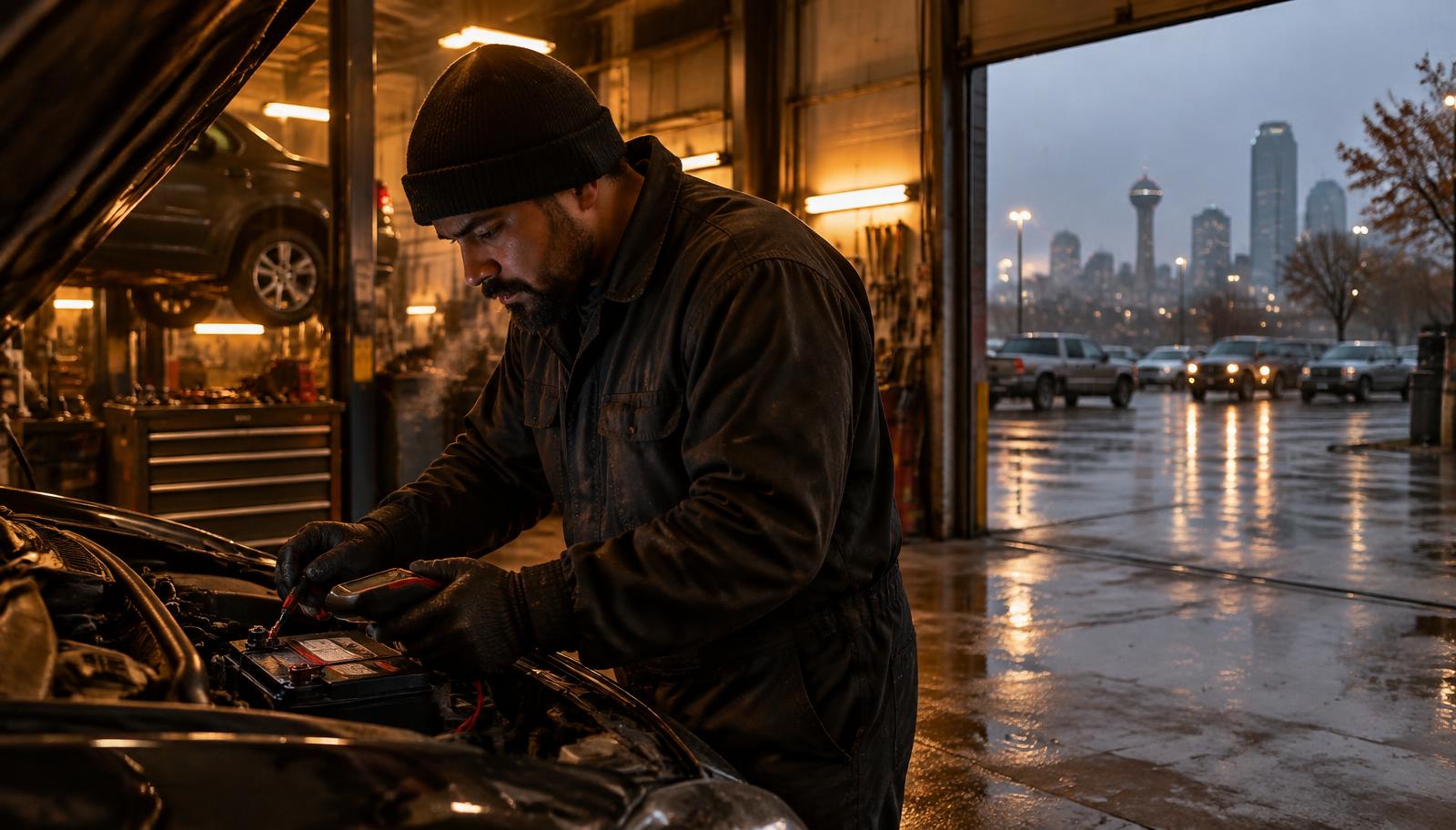
Winter repair demand in Dallas can arrive fast. A cold front, steady rain, holiday travel, and sharp temperature swings can send drivers searching for battery help, heater repair, tire service, brake checks, wipers, and fluid inspections.
The problem usually is not that people need fewer repairs. It is that many shops are hard to find or hard to book when the need hits. We see outdated local profiles, broad service pages, stale reviews, and paid campaigns that start after nearby competitors already have the top search positions. A better plan helps you capture more calls, online bookings, and qualified service requests before the first cold morning creates a rush.
Why Does Auto Repair Marketing Fail Before Winter?
Too many shops treat winter marketing like a last-minute coupon. The first real cold front arrives, the phones get busy, and then the team tries to decide which services to promote, where to spend ad budget, and how staff should handle the extra calls.
That approach misses the way drivers search. “Auto repair” is a broad term. Someone whose car will not start is more likely to search for “battery replacement near me.” Someone driving with no heat may search for “car heater not working.” Those searches have a short decision window. If your shop does not show a clear answer at that moment, the job goes elsewhere.
Our automotive SEO and marketing services are built around connecting the places drivers search with the services you actually want to sell. That means your local visibility, service pages, reviews, paid search coverage, and booking experience should all support the same priorities.
Before winter, we recommend answering a few operating questions:
- Which services can your team perform quickly and confidently?
- Which repairs support your business goals?
- Which locations, neighborhoods, or service areas matter most?
- Can your front desk handle more calls without creating a poor customer experience?
This applies whether you run an independent repair shop, a tire and lube center, a dealership service department, or a multi-location automotive brand. The same principle holds across Dallas-Fort Worth and in markets nationwide: seasonal demand rewards shops that prepare before drivers start searching.
How Can Dallas Shops Win Nearby Winter Searches?
Local search matters most when the driver needs help now. A person searching for battery service, heater repair, tire repair, brake inspection, or an oil change is often ready to choose a nearby shop. They are not researching for weeks. They are looking for a clear solution, a convenient location, and an easy next step.
Start with your Google Business Profile. It should reflect what a driver will find when they arrive or call. Review your hours, holiday closures, primary categories, services, appointment links, phone routing, photos, address details, and business description. A generic citywide description rarely helps a shop stand out. Your profile should make it clear what your location handles and why a nearby driver should choose it.
Your website needs to support that profile with pages for the services customers search. A useful battery service page, for example, should explain common signs of a weak battery, what the shop can inspect, what the customer can expect, and how to request service. The same goes for heater repair, tire service, brake checks, and pre-trip inspections.
Location matters, too. A driver near Plano may search and decide differently than a driver near Fort Worth. Your location pages should clearly show which shop serves which area, along with accurate directions, hours, and service availability.
Rankings can move, especially around seasonal demand. Through SearchLab and SearchLight, we help businesses review SEO, AI search visibility, and local search performance over time instead of assuming a strong position will stay strong.
Which Winter Services Should Auto Repair Marketing Promote?
A winter plan does not need to promote every repair your shop performs. In fact, broad campaigns often make it harder for drivers to understand what they should do next. Start with a smaller set of services that match your technician capacity, customer needs, and business priorities.
For many shops, a focused winter mix may include:
- Battery testing and replacement
- Heating and defrosting repair
- Tire inspections and tire repair
- Brake checks, wiper replacement, and fluid checks
- Pre-trip inspections for holiday travel
Each service needs its own message. A generic “winter special” does little for a driver who has a specific problem. Battery messaging should speak to slow starts, warning lights, and confidence before a cold front. Heater messaging should address no heat, weak airflow, unusual smells, or trouble clearing the windshield. Tire messaging can focus on worn tread, low pressure, and safer travel in wet weather.
The best message also depends on how your customers use their vehicles. A commuter may care most about avoiding a breakdown during a long workday. A family preparing for holiday travel may respond better to road-trip readiness and a thorough inspection. Those customer concerns may differ by market, but the approach is the same: connect the repair service to the problem a driver is trying to solve.
Avoid making promises your team cannot support. If heater diagnostics are backed up or battery inventory is limited, your marketing should not push a service that creates a poor experience. Clear promotion works best when the shop is ready to deliver on it.
Why Do Ready-To-Book Drivers Leave Shop Websites?
Winning the click is only half the job. A driver can find your shop in search results, visit your site, and still leave if they cannot quickly tell whether you handle the issue or how to request service.
Mobile experience deserves special attention before winter. Many high-intent searches happen from a phone in a parking lot, driveway, or office lot. Slow pages, tiny call buttons, confusing forms, and buried directions can turn a ready-to-book driver into a lost lead.
We recommend reviewing these website basics before seasonal demand rises:
- Is the phone number easy to find and tap on a mobile device?
- Do booking forms, estimate requests, and appointment links work correctly?
- Does each service page explain the problem in plain language?
- Are your hours, locations, and directions accurate?
- Can customers tell the difference between multiple shop locations?
Build pages around customer questions, not only technician terms. Drivers may search “battery keeps dying,” “car heater not working,” or “tire repair near me.” Your content should meet them where they are, then explain what a professional inspection or repair process may involve.
Every high-intent page should make the next step obvious. Customers should be able to call, book, request an estimate, or get directions without hunting through menus. SiteLab supports this kind of work by improving conversion paths and creating location-specific experiences that make sense for real customers.
What Should Shops Measure Before Winter Demand Arrives?
Traffic alone does not tell you whether auto repair marketing is working. A page can receive visits without producing a single useful call or booking. Before winter demand begins, focus on the actions that connect to actual service opportunities.
Track qualified calls, online bookings, direction requests, service form submissions, appointment completion, and revenue by service line when your reporting allows it. Those measures show whether people are finding your shop and taking meaningful action.
It also helps to separate branded and non-branded searches. Someone searching your shop name already knows you. Someone searching “auto repair near me” or “car battery replacement” may be choosing a shop for the first time. Both matter, but they answer different questions about your marketing.
A pre-winter review should include call tracking, form testing, appointment-link testing, your Google Business Profile insights, top service pages, and local visibility by market. Set a weekly review rhythm so problems are found early rather than after a busy weekend.
Paid search can support this plan when it has a clear focus. Review search terms, location targeting, lead quality, and whether ads are producing service requests your team wants. AdEngine can support paid media management, while TrafficShield can help address invalid traffic risks that may waste budget or distort reporting.
How Should Shops Prepare Before The First Cold Front?
The shop that wins winter demand is rarely the one with the biggest discount. It is usually the one that appears when a local driver searches, gives a clear answer, makes booking simple, and answers the phone prepared to help.
Start early in the fall. Choose priority services, update your local profiles, improve key service pages, confirm booking paths, collect and respond to reviews, and make sure your measurement is working. When demand rises, preparation gives your team a much better chance to turn searches into scheduled work.
Build a Stronger Winter Service Pipeline
Digital Ingenuity helps shops identify the gaps between search visibility, service priorities, and qualified leads. See how our auto repair marketing approach can support the services your shop needs to fill before demand peaks. If you want a clear view of what is holding your marketing back, request a free audit.