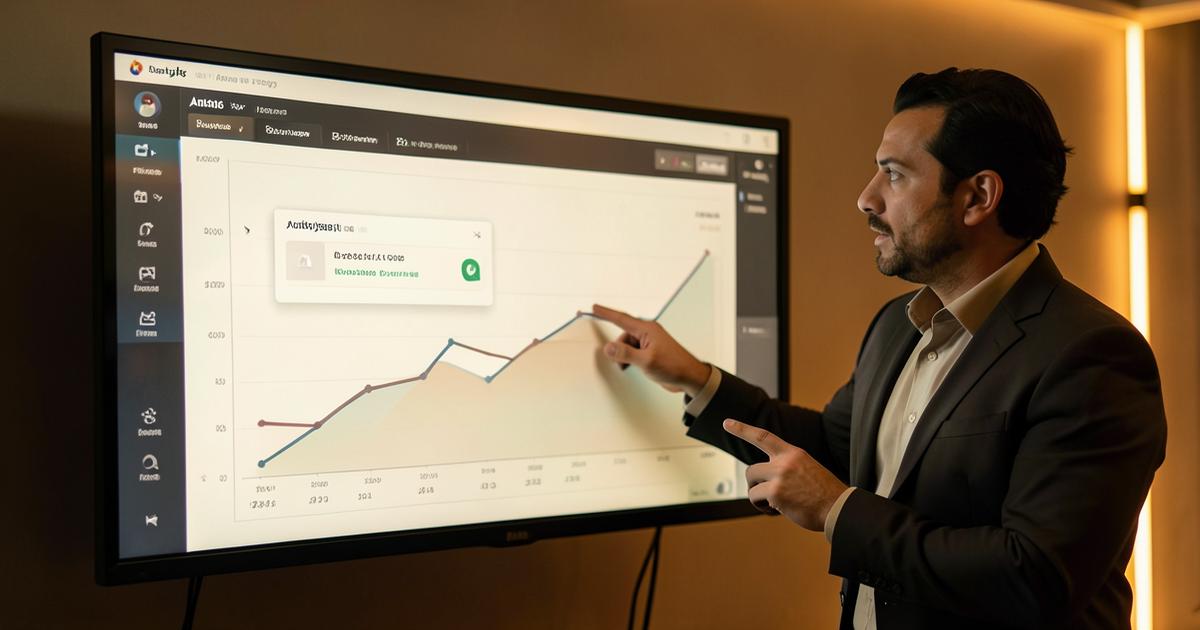

Why Your AI Marketing Metrics Need an Upgrade
AI marketing automation can look great on the surface. You see more clicks, more opens, more people filling out forms. It feels like progress. But if those numbers are not turning into revenue, happier customers, or lighter workloads for your team, they are just noise.
In this article, we want to talk about how to measure AI marketing automation in a smarter way. We will look at where old metrics fall short, which new KPIs matter, and how to connect all of it to real business outcomes as you plan for your spring and summer campaigns.
As the weather starts to warm up and Q1 reports roll in, this is a natural moment to pause and reset your KPI framework. AI is changing how digital marketing works, with hyper-personal messages, real-time optimization, and conversational experiences across email, chat, and ads. The tools evolved, but many brands are still grading success like it is a batch-and-blast email world. At Digital Ingenuity, we focus on aligning smarter automation with smarter measurement, so you can see what is actually working, not just what is flashing in a dashboard.
Why Clicks and Leads Are No Longer Enough
Clicks and leads used to be easy stand-ins for success. Now they can be traps.
AI makes customer paths messy, in a good way. Someone might:
- See a paid ad
- Chat with your AI assistant
- Visit your site three times
- Open five emails
- Then finally talk to sales
If you only pay attention to the last click or the first touch, you miss the real story. That is the attribution gap, and it can push budget toward channels that just happen to be easy to track.
Leads have the same problem. AI can quickly drive:
- Lots of form fills from low intent visitors
- Repeated demo requests from the same person
- Signup spikes from contests or giveaways
If you only watch raw lead counts, AI might flood your CRM with contacts that never close. Your sales team feels the pain, and trust in marketing drops.
On top of that, automated follow-ups, smart email sequences, and bots can inflate vanity engagement. Replies, page views, and chat interactions might go up, but if those touches do not move people closer to buying, they are just busyness. And when you over optimize for channels with simple metrics like email click-through rate, you starve higher-value, harder-to-track touchpoints like deeper conversations, long form content, or interactive tools.
Building a Smarter KPI Stack for AI Marketing Automation
To fix this, we like to work backward. Start from outcomes, not channels.
Begin with the big things your leadership team cares about:
- Revenue and profit
- Retention and renewals
- Customer lifetime value
Then ask, what behaviors signal progress toward those outcomes? That is where journey-aware KPIs come in.
For the discovery stage, look at:
- Content depth, not just visits
- Return visits or repeat chat sessions
- Scroll depth and time on key pages
For evaluation, track:
- Engagement with pricing, comparison, or feature pages
- Demo intent, such as time spent on product tours
- Replies to AI-driven nurture sequences that show buying interest
For decision, focus on:
- Sales cycle length from first serious signal to close
- Win rate for leads touched by AI flows
- Deal size for contacts nurtured by automation
AI also changes the customer experience itself. You can measure that:
- Response speed for AI chats and automated emails
- Resolution rate for automated flows before a human steps in
- Satisfaction scores after interactions with bots or guided forms
Inside the business, AI should also make operations smoother. New internal KPIs might include:
- Time saved per campaign launch
- Fewer manual touches per lead
- Lower cost per interaction without hurting quality
Measuring the Human Side of AI Powered Journeys
AI marketing automation is still about people. If it feels cold, pushy, or confusing, it will backfire.
That is why conversational quality matters. For chatbots and virtual assistants, we look at:
- Intent recognition accuracy, does the AI understand what people want
- Containment rate, how many questions the AI solves without needing a human
- Escalation success, how well handoffs to real people work when needed
Customer sentiment is another big signal. With AI, you can analyze language across chats, emails, and social replies to see mood shifts. Are people sounding curious, confused, excited, or annoyed after automated messages? Patterns here can guide tone, timing, and content.
You also need to keep an eye on trust and friction. Early warning signs include:
- Higher unsubscribe rates after certain flows
- Spam complaints or negative replies
- More opt outs from tracking or personalization
These are hints that your automation is overstepping, sending too often, or missing the mark.
Finally, think about relationship depth, not just one-off wins. Good AI marketing automation should support:
- Community participation, like events, groups, or live sessions
- Referrals and word of mouth
- User generated content, reviews, or stories
- Interest in multiple products or services over time
Revenue, Lifetime Value, and Data Foundations That Matter
AI marketing automation is not just about the first sale. It can guide how you handle renewals, upgrades, and cross-sells long after signup. New workflows can keep people engaged, offer timely education, and surface the right next step when they are ready.
Some useful revenue-focused metrics include:
- Renewal and upgrade rates for contacts touched by AI flows
- Average order value over time
- Frequency of repeat purchases
To see the real impact, compare cohorts. For example, people who went through AI-powered nurture sequences versus those who did not. If you see faster time to first value or longer active lifespans, that is a strong sign you are on the right track.
Profit awareness matters too. Revenue that relies on heavy discounts, expensive support, or complex manual fixes might not be worth it. Try to weigh:
- Margin by segment
- Support costs tied to different journeys
- Refund or churn rates after aggressive promotions
All of this only works if your data is in good shape. AI marketing metrics depend on:
- Clean, deduped contacts across systems
- Unified identity so you know one person across email, ads, and chat
- Consistent tagging on campaigns, content, and events
You also need a clear source of truth. That usually means strong alignment between your analytics platform and your CRM so marketing and sales look at the same numbers. Some decisions need real-time dashboards, like AI systems that adjust bids or content on-the-fly. Others, such as strategy shifts for mid-year campaigns, benefit from slower, deeper reporting.
At Digital Ingenuity, we build AI-powered marketing systems with measurement baked in from the start. That way you are not guessing at impact or chasing vanity numbers when the weather heats up and your busiest season begins.
Accelerate Real Results With Smart AI Marketing Automation
If you are ready to turn more conversations into customers, our team at Digital Ingenuity can help you implement AI marketing automation tailored to your goals. We work with you to streamline follow-ups, qualify leads in real time, and keep your pipeline consistently active. Tell us about your objectives and constraints, and we will outline a practical roadmap you can start using right away. If you are unsure where to begin, simply contact us and we will walk you through the next steps.